
The Thriving Personal Electronics Market
The United States personal electronics market is a vibrant ecosystem brimming with innovation and constant evolution. With an estimated value exceeding $400 billion in 2023, it continues to propel forward, driven by consumer demand for devices that enhance their connected lifestyles. However, navigating this dynamic landscape requires companies to stay abreast of trends, fierce competition, and ever-changing consumer preferences.
Trends Shaping the Industry
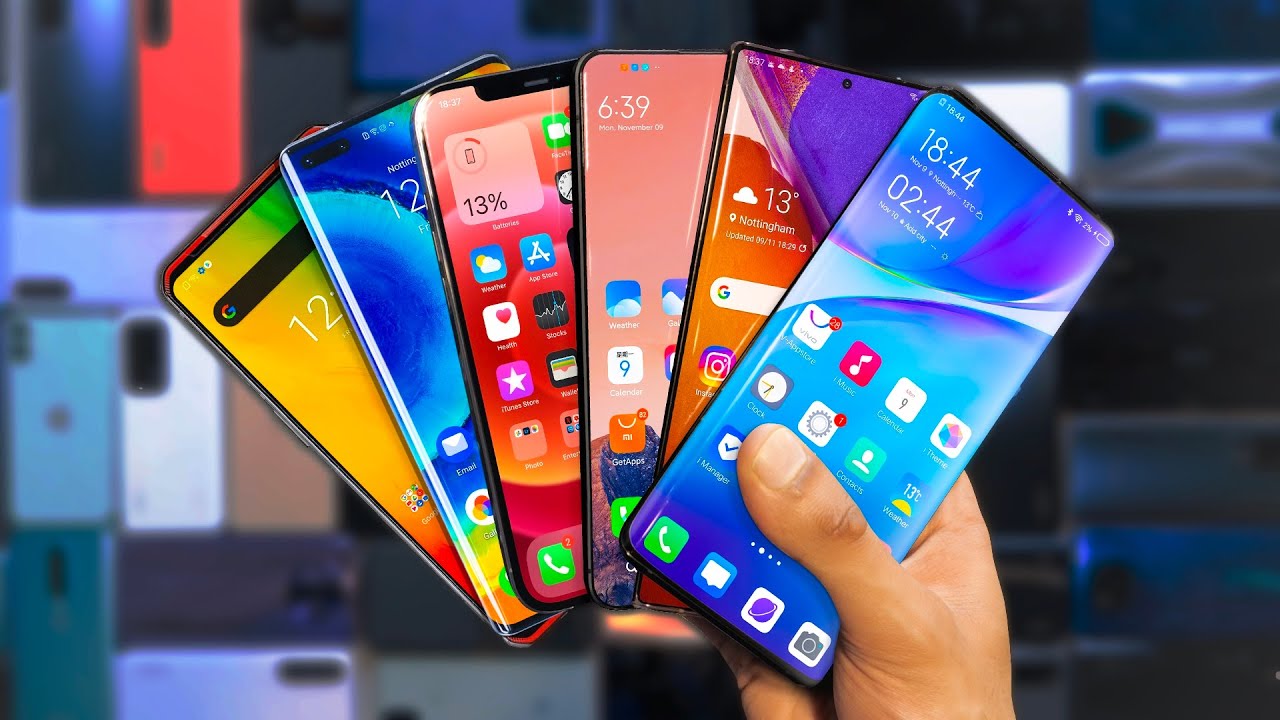
- The Reign of Smartphones: Smartphones have become an extension of ourselves, offering communication, entertainment, and access to information at our fingertips. Their ever-expanding functionalities, from powerful cameras to mobile payments, solidify their central role in our lives.
- Tablets: Bridging the Gap: Tablets bridge the gap between smartphones and laptops, offering a larger screen for entertainment and productivity. The rise of e-learning, remote work, and content consumption has driven demand for these versatile devices.
- Wearable Tech on the Rise: Wearable technology, including smartwatches and fitness trackers, is gaining significant traction. Consumers are increasingly interested in monitoring their health, tracking workouts, and staying connected with notifications on their wrists.
- Wireless Revolution: The shift towards wireless connectivity is undeniable. Bluetooth headphones, wireless charging, and the decline of headphone jacks reflect the desire for a more streamlined and cable-free user experience.
Major Players in the Arena
- Apple: Apple remains a dominant force, renowned for its premium smartphones (iPhone), tablets (iPad), and wearable devices (Apple Watch). Their focus on user-friendly design, seamless integration within their ecosystem, and brand loyalty keeps them at the forefront of the market.
- Samsung: A leading competitor, Samsung offers a diverse range of smartphones (Galaxy series), tablets (Galaxy Tab series), and wearable devices (Galaxy Watch series). Their focus on innovation, powerful hardware, and competitive pricing makes them a major player in the Android space.
- Amazon: The e-commerce giant, Amazon, has established itself as a major retailer of personal electronics. They offer a vast selection of devices from various brands at competitive prices, further disrupting the traditional retail landscape.
- Best Buy: While facing competition from online retailers, Best Buy remains a strong force in brick-and-mortar retail. They offer knowledgeable in-store assistance, a comprehensive selection of devices, and a strong online presence, catering to consumers who value personalized service.
Opportunities for Growth
- Innovation: Staying Ahead of the Curve: Companies that consistently introduce novel features and functionalities in their devices are well-positioned to capture market share. Innovation in areas like foldable displays, augmented reality, and artificial intelligence (AI) will be crucial for future success.
- Emerging Markets: Expanding Horizons: New markets like smart glasses, connected health devices, and AR/VR headsets present exciting opportunities for companies to expand their reach and cater to evolving user needs.
- Sustainability: A Responsible Choice: Consumers are increasingly conscious of environmental impact. Companies can embrace sustainable practices, utilize recycled materials, and design energy-efficient devices to resonate with this growing segment.
- Personalization: Tailored User Experiences: Offering personalized recommendations, seamless customer service interactions, and post-purchase support can foster long-term customer relationships and drive sales.
Challenges to Overcome
- Fierce Competition: The market is highly competitive, demanding companies to differentiate themselves through unique selling propositions, innovative marketing strategies, and competitive pricing.
- Rapid Technological Advancements: Technology is constantly evolving, requiring companies to stay agile and adapt to changing consumer preferences and embrace advancements in areas like AI and processing power.
- Planned Obsolescence: The rapid pace of innovation can lead to planned obsolescence, where devices become outdated quickly, raising concerns about consumer waste. Companies must develop solutions that address these concerns.
In Conclusion
The personal electronics market in the USA is a dynamic and ever-evolving space. Companies that can harness innovation, prioritize user experience, and adapt to changing trends will be well-positioned for continued success. By offering consumers empowering devices that fit seamlessly into their lives, companies can thrive in this competitive and exciting market.
The Thriving Personal Electronics Market