
The Ever-Evolving Landscape of Home Electronics
The American home electronics market is a powerhouse, boasting cutting-edge technology and ever-changing trends. With a value exceeding $400 billion in 2023, it’s poised for continued growth, driven by innovation and consumer demand for smarter, more connected living experiences. However, navigating this dynamic environment presents both challenges and opportunities for manufacturers and retailers.
Trends Shaping the Future
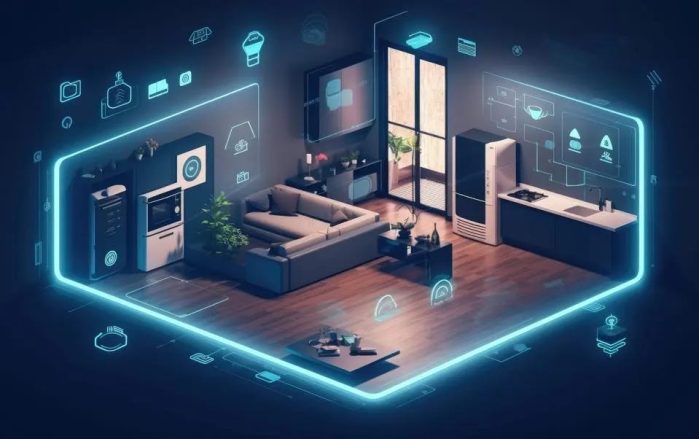
- Smart Home Revolution: Smart devices are rapidly transforming homes, encompassing everything from internet-connected TVs and thermostats to voice-controlled lighting and appliances. Consumers crave the convenience and automation these devices offer, making smart home technology a major growth driver.
- E-commerce Takes Center Stage: Online shopping has become the go-to choice for purchasing home electronics. Convenience, competitive pricing, and vast selection offered by giants like Amazon and Best Buy have shifted the landscape away from traditional brick-and-mortar stores.
- Personalization: Tailoring the Experience: Generic shopping experiences are fading away. Today’s consumers expect personalized recommendations, tailored product suggestions based on their needs, and seamless customer service interactions. Companies that cater to these individual preferences will win customer loyalty.
- Sustainability on the Rise: Environmental consciousness is influencing purchasing decisions. Consumers seek eco-friendly products designed with recycled materials and energy efficiency in mind. Companies prioritizing sustainable practices will resonate with environmentally conscious buyers and establish themselves as responsible leaders.
Major Players in the Arena
- Samsung: This South Korean powerhouse offers a diverse product portfolio, encompassing TVs, refrigerators, washing machines, and smartphones, catering to a wide range of home electronics needs.
- LG: Another major player from South Korea, LG is known for its innovative home appliances, TVs, and audio equipment, recognized for their sleek design and advanced features.
- Whirlpool: This American giant has been a household name for decades, offering reliable and affordable home appliances, including refrigerators, dishwashers, and ovens.
- Amazon: The e-commerce titan has become a dominant force in home electronics retail, offering a vast selection of products from various brands at competitive prices.
- Best Buy: This brick-and-mortar leader maintains a strong online presence, providing consumers with knowledgeable in-store assistance and a comprehensive selection of home electronics. They cater to tech-savvy consumers who value personalized service.
Opportunities for Growth
- Innovation: Staying Ahead of the Curve: Companies that can consistently introduce novel and groundbreaking home electronic devices that address evolving consumer needs will capture market share and maintain a competitive edge.
- Emerging Markets: Expanding Horizons: New markets like smart kitchen appliances, connected fitness equipment, and home security systems present exciting opportunities for companies to expand their reach and customer base.
- Sustainability: A Responsibility and Advantage: Investing in sustainable practices, utilizing recycled materials, and designing energy-efficient products will resonate with environmentally conscious consumers and enhance brand reputation.
- Personalization: Building Relationships: Tailoring customer service interactions, offering personalized product recommendations, and providing post-purchase support can foster long-term customer relationships and drive sales.
Challenges to Overcome
- Fierce Competition: The home electronics market is highly competitive, demanding companies to differentiate themselves through unique value propositions, exceptional customer service, and innovative marketing strategies.
- Rapid Technological Advancements: Technology is constantly evolving, requiring companies to stay agile and adapt to changing consumer preferences and technological advancements. Ongoing research and development are crucial for long-term success.
- Economic Uncertainty: Economic fluctuations, including inflation and rising interest rates, can impact consumer spending on home electronics. Companies need to develop strategies to remain competitive during economic downturns.
In Conclusion
The American home electronics market is a dynamic and exciting space with immense potential. Companies that embrace innovation, prioritize sustainability, create personalized customer experiences, and adapt to technological changes will be well-positioned for success in this ever-evolving landscape.
The Ever-Evolving Landscape of Home Electronics