
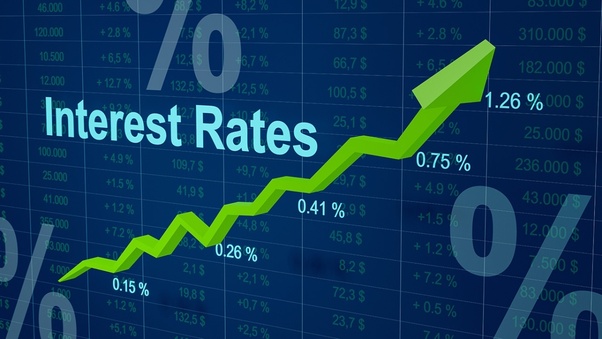
The Effects of Interest Rate Increases on the Economy in the USA?
Interest rates play a crucial role in the economy, influencing consumer spending, business investments, and overall economic growth. When the Federal Reserve raises interest rates, it can have widespread effects on various sectors of the economy. While these increases are often used to control inflation, they also carry potential consequences that can impact both businesses and consumers.
1. Impact on Consumer Spending
Higher interest rates typically lead to more expensive borrowing. This affects consumers who rely on loans for big-ticket items such as homes and cars. Mortgage rates rise, making home purchases more costly, while car loans and credit card debts also become more expensive. As a result, consumer spending may slow down, leading to lower demand for goods and services.
2. Business Investments Slow Down
Just as consumers feel the strain of higher interest rates, businesses also experience higher costs when borrowing money for expansion, equipment, or operational expenses. With borrowing becoming more expensive, businesses may delay or cancel plans for expansion, new hires, or investments. This can hinder job creation and economic growth.
3. Cooling of the Housing Market
One of the most direct effects of increased interest rates is on the housing market. As mortgage rates climb, fewer people can afford to buy homes, which can lead to a slowdown in the housing market. This slowdown may also affect industries related to real estate, such as construction and home goods.
4. Impact on Inflation
One of the main reasons the Federal Reserve raises interest rates is to control inflation. By increasing the cost of borrowing, consumer spending and investment slow down, which can reduce demand for goods and services, ultimately easing inflationary pressures. While effective, this can also lead to slower economic growth.
Conclusion
Interest rate increases are a tool used to manage inflation, but they come with consequences. While they can reduce inflation and stabilize the economy, they also tend to slow down consumer spending, business investments, and housing market activity. The overall impact of rate hikes depends on the economy’s existing conditions and how businesses and consumers respond to the changes.


