Shaping the Future of Transportation
The automotive industry in the USA is undergoing a period of rapid transformation, driven by technological advancements, evolving consumer preferences, and environmental concerns. These trends are reshaping the landscape of transportation, introducing new concepts and innovations that are redefining the way we drive, own, and interact with our vehicles.
Here are some of the key automotive trends shaping the future of transportation in the USA:
1. Rise of Electric Vehicles (EVs):
The transition to electric vehicles is gaining momentum in the USA, fueled by government incentives, declining battery costs, and growing consumer demand for eco-friendly transportation options. Major automakers are investing heavily in EV development, expanding their lineups and introducing new, long-range models.
2. Autonomous Driving Technologies:
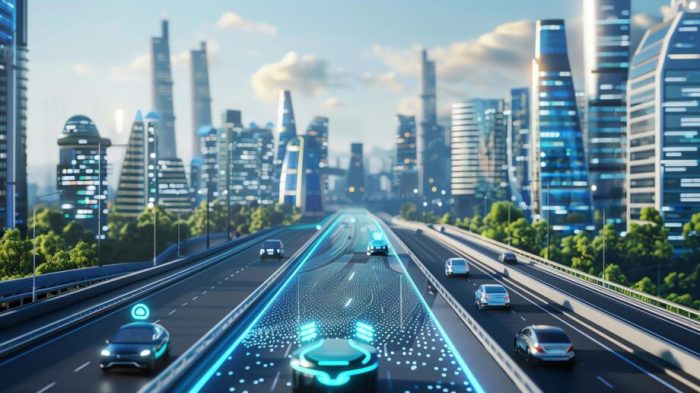
Autonomous driving technology is rapidly advancing, with self-driving cars poised to become a reality in the coming years. Companies like Waymo, Cruise, and Aurora are leading the charge in developing autonomous vehicle technology, testing their systems on public roads and partnering with traditional automakers.
3. Connected Car Technology:
Vehicles are becoming increasingly connected, with advanced infotainment systems, smartphone integration, and over-the-air (OTA) updates. This connectivity enables new features and services, such as remote vehicle diagnostics, personalized navigation, and voice-activated controls.
4. Shared Mobility and Ride-hailing Services:
Shared mobility and ride-hailing services are gaining popularity, particularly in urban areas. These services offer convenient and affordable transportation alternatives, reducing car ownership rates and promoting efficient use of vehicles.
5. Subscription-based Car Ownership Models:
Traditional car ownership models are being challenged by subscription-based services that offer flexible access to a variety of vehicles. These services provide users with the convenience of a car without the long-term commitment of ownership.
6. Focus on Safety and Driver Assistance Systems:
Automotive manufacturers are prioritizing safety by incorporating advanced driver assistance systems (ADAS) into their vehicles. These systems include features like automatic emergency braking, lane departure warning, and blind spot monitoring, helping to prevent accidents and reduce injuries.
7. Personalization and Customization:
Automakers are offering more personalization and customization options to cater to individual preferences. This includes a wider range of colors, interior trims, and technology packages, allowing buyers to create vehicles that reflect their unique tastes.
8. Data-driven Insights and Predictive Maintenance:
Vehicles are generating vast amounts of data, which is being used to improve performance, predict maintenance needs, and personalize the driving experience. This data-driven approach is leading to more efficient and customer-centric vehicle operation.
9. Cybersecurity and Data Protection:
As vehicles become more connected, cybersecurity and data protection are becoming increasingly critical. Automakers and technology companies are working to ensure that vehicle systems are protected from cyberattacks and that user data is handled securely.
10. Sustainable Materials and Manufacturing Processes:
The automotive industry is striving to reduce its environmental impact by adopting sustainable materials and manufacturing processes. This includes using lightweight materials, recycled components, and renewable energy sources in vehicle production.
These automotive trends are shaping the future of transportation in the USA, creating a more sustainable, connected, and personalized driving experience. As these technologies continue to evolve, we can expect to see even more innovative and transformative changes in the way we interact with our vehicles.