
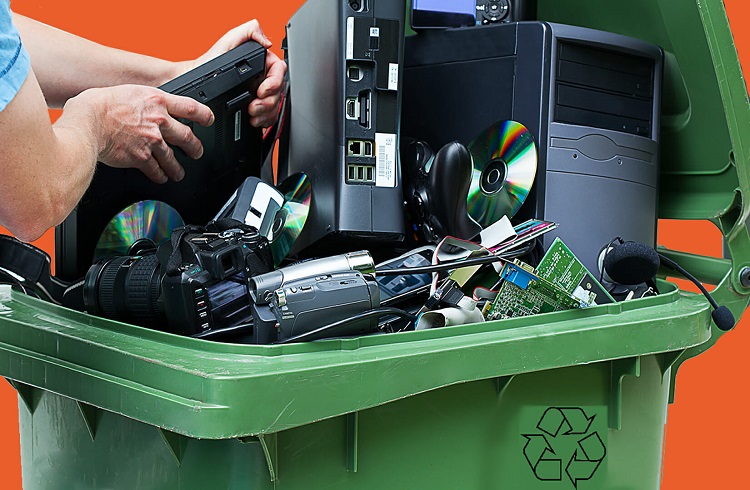
Responsible Disposal Electronics Recycling
In today’s digital world, electronics play a vital role in our daily lives, but with rapid technological advancements, older devices quickly become obsolete. As a result, electronic waste (e-waste) has become one of the fastest-growing waste streams globally. The responsible disposal of electronics is crucial for protecting the environment and conserving valuable resources. Recycling e-waste not only helps reduce the harmful impact on the planet but also allows us to recover materials that can be reused in new products.
Why Electronics Recycling Matters
Electronics contain a variety of materials that can be harmful if not disposed of properly. Items such as batteries, circuit boards, and plastics may release toxic substances like lead, mercury, and cadmium into the environment. These materials can pollute soil and water, posing risks to wildlife and human health. By recycling electronics, we ensure these dangerous substances are properly handled and diverted from landfills.
Moreover, e-waste contains precious metals, such as gold, silver, and copper, which can be recovered and reused. This reduces the need for mining and helps conserve natural resources. The process of recycling also saves energy compared to producing new materials, contributing to the reduction of carbon emissions.
How to Recycle Electronics Responsibly
- Find Certified E-Waste Recycling Centers: Look for e-waste disposal that are certified by organizations such as e-Stewards or R2. These certifications ensure that the facility follows responsible recycling practices and disposes of materials in an environmentally safe manner.
- Donate or Resell Usable Devices: If your electronics still work, consider donating them to schools, charities, or local organizations that can put them to good use. Alternatively, resell functional devices through online marketplaces or trade-in programs.
- Remove Personal Data: Before recycling or donating electronics, be sure to erase all personal data. This includes wiping hard drives and memory cards to protect your privacy and prevent identity theft.
- Check Local Regulations: Many local governments offer electronics recycling programs or collection events. Be sure to check with your local waste management department to find out how and where you can dispose of your electronics properly.
The Future of E-Waste Recycling
The growing volume of e-waste presents a challenge, but it also offers opportunities for innovation. Companies are increasingly developing new recycling technologies that make the process more efficient and sustainable. Additionally, there is a push for manufacturers to design products with recyclability in mind, reducing the environmental impact from the start.
By making responsible decisions about electronics disposal, we can collectively reduce e-waste, conserve resources, and help protect the environment for future generations. Recycling electronics isn’t just a way to dispose of old devices—it’s an important step toward a more sustainable and eco-friendly future.
Responsible Disposal Electronics Recycling