
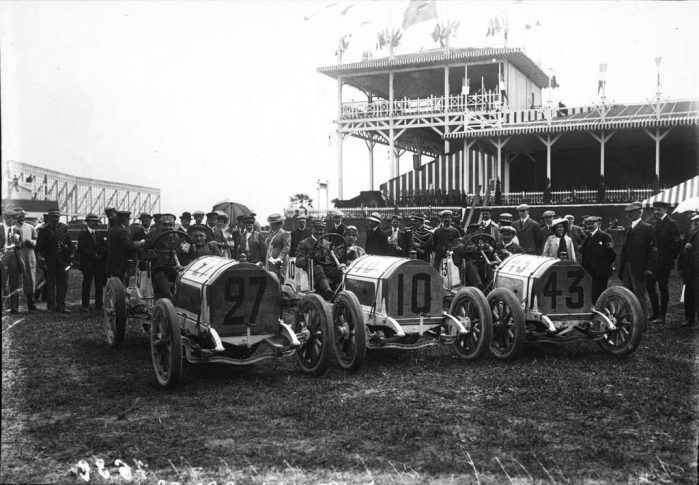
Racing Parts Usage in Cars
Racing parts are high-performance components that are designed to improve the performance of a car for racing purposes. They are typically used in competitive motorsport, such as NASCAR, Formula One, and IndyCar. Racing parts can be very expensive, and they are often not street-legal. However, they can provide a significant performance advantage for race cars.
Types of Racing Parts
There are many different types of racing parts available, including:
- Engine parts:These parts can include air intakes, exhaust systems, camshafts, and turbos. The goal of these parts is to increase the power and efficiency of the engine.
Aerodynamics:These parts can include spoilers, diffusers, and front splitters. The goal of these parts is to improve the car’s aerodynamics and reduce drag.
Suspension parts:These parts can include shocks, struts, springs, and sway bars. The goal of these parts is to improve the car’s handling and stability.
Brakes:These parts can include brake pads, rotors, and calipers. The goal of these parts is to improve the car’s braking performance.
Wheels and tires:These parts can include lightweight wheels and high-performance tires. The goal of these parts is to improve the car’s grip and handling.
Benefits of Racing Parts
There are many benefits to using racing parts, including:
- Increased power: Racing parts can increase the power of a car’s engine, which can make it faster and more responsive.
- Improved handling: Racing parts can improve the car’s handling, which can make it more stable and easier to control at high speeds.
- Better braking: Racing parts can improve the car’s braking, which can make it safer to stop.
- Enhanced aerodynamics: Racing parts can improve the car’s aerodynamics, which can reduce drag and improve top speed.
- Weight reduction: Racing parts are often made from lightweight materials, which can help to reduce the car’s weight and improve its overall performance.
Drawbacks of Racing Parts
There are also some drawbacks to using racing parts, including:
- Increased cost: Racing parts can be very expensive, and they can also increase the cost of car insurance.
- Reduced reliability: Racing parts are often designed for maximum performance, and they may not be as reliable as stock parts.
- Increased maintenance: Racing parts may require more maintenance than stock parts.
- Safety concerns: Some racing parts may not be as safe as stock parts, and they may increase the risk of accidents.
- Legality: Racing parts are often not street-legal, and they may not be allowed on public roads.
Tips for Choosing Racing Parts
If you are considering using racing parts, there are a few things you should keep in mind:
- Your goals: Consider your goals for using racing parts. What do you want to achieve by using them?
- Your budget: Set a budget before you start shopping for racing parts.
- Your car: Make sure that the racing parts you choose are compatible with your car.
- Your experience: If you are not experienced with racing parts, it is best to consult with a professional before installing them.
- The law: Make sure that the racing parts you choose are legal to use in your state.
Conclusion
Racing parts can be a great way to improve the performance of your race car. However, it is important to weigh the benefits and drawbacks of racing parts before you buy them. If you do decide to use racing parts, be sure to choose ones that are right for your goals, your budget, and your car.
Racing Parts Usage in Cars