
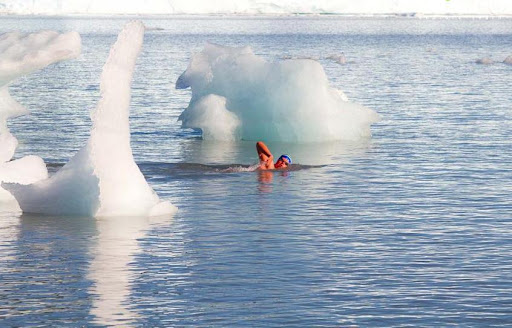
Ice Swimming: What Is It and Who Can Do It?
Ice swimming, the practice of immersing oneself in icy cold water, has surged in popularity in recent years. Originally prevalent in Nordic countries and Russia, it now attracts individuals worldwide seeking both physical and mental challenges. But what exactly is ice swimming, and who can partake?
What is Ice Swimming?
Ice swimming involves swimming or immersion in water with a temperature of 5 degrees Celsius or below. This often takes place in frozen lakes or rivers, where a hole is cut into the ice. The duration of time spent in the water varies, but often lasts only a few minutes.
Benefits of Ice Swimming:
- Physical Benefits:
- Improved blood circulation
- Strengthened immune system
- Reduced inflammation
- Pain relief
- Increased endorphin release
- Mental Benefits:
- Stress reduction
- Mood enhancement
- Increased mental resilience
- Enhanced mindfulness
Who Can Do Ice Swimming?
Ice swimming is not suitable for everyone. It requires a certain level of physical and mental preparedness. Individuals with the following health conditions should consult a doctor before attempting ice swimming:
- Cardiovascular diseases
- High blood pressure
- Respiratory conditions
- Raynaud’s syndrome
- Pregnancy
Tips for Beginners:
- Start slowly: Begin with short immersions in cold water and gradually increase the duration.
- Listen to your body: If you feel uncomfortable, exit the water immediately.
- Breathe calmly: Focus on your breathing to calm your body.
- Warm up afterward: Quickly put on warm clothing and drink a warm beverage.
- Find a group: It’s easier to stay motivated in a group.
Safety Precautions:
- Never ice swim alone.
- Be aware of ice conditions.
- Wear appropriate attire, such as a wetsuit, gloves, and boots.
- Do not stay in the water for too long.
Ice swimming can be a transformative experience that strengthens both the body and mind. With proper preparation and caution, you too can enjoy the benefits of this unique activity.