Heavy-Duty Parts Usage in Cars
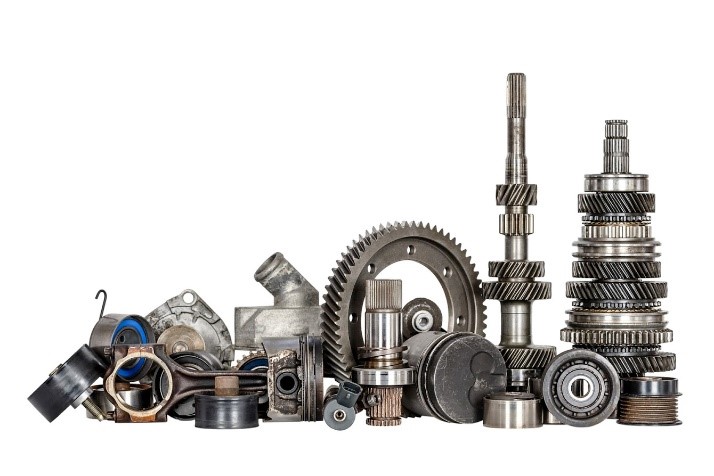
Heavy-duty parts are aftermarket components that are designed to withstand the rigors of commercial and off-road use. They are typically made from stronger materials and are built to last longer than stock parts. Heavy-duty parts are popular among truck and SUV owners who need their vehicles to be reliable and durable.
Types of Heavy-Duty Parts
There are many different types of heavy-duty parts available, including:
- Suspension parts:These parts can include shocks, struts, springs, and sway bars. Heavy-duty suspension parts are designed to handle the extra weight and abuse of commercial and off-road use.
Brakes:Heavy-duty brakes are designed to provide more stopping power for commercial and off-road vehicles. They often have larger rotors, thicker pads, and more powerful calipers.
Drivetrain parts:These parts can include axles, driveshafts, and differentials. Heavy-duty drivetrain parts are designed to handle the increased torque and stress of commercial and off-road use.
Wheels and tires:Heavy-duty wheels and tires are designed to withstand the rigors of commercial and off-road use. They are often made from stronger materials and have deeper tread patterns.
Underbody protection:Heavy-duty underbody protection can help to shield your vehicle from rocks, debris, and other hazards. It can include skid plates, rock sliders, and bull bars.
Benefits of Heavy-Duty Parts
There are many benefits to using heavy-duty parts, including:
- Increased durability: Heavy-duty parts are designed to last longer than stock parts, which can save you money in the long run.
- Improved performance: Heavy-duty parts can improve the performance of your vehicle, especially in commercial and off-road applications.
- Enhanced safety: Heavy-duty parts can make your vehicle safer, especially in situations where you need to brake hard or avoid obstacles.
- Peace of mind: Knowing that your vehicle is equipped with heavy-duty parts can give you peace of mind when you are on the road or trail.
Drawbacks of Heavy-Duty Parts
There are also some drawbacks to using heavy-duty parts, including:
- Increased cost: Heavy-duty parts can be more expensive than stock parts.
- Reduced fuel economy: Heavy-duty parts can weigh more than stock parts, which can reduce your vehicle’s fuel economy.
- Rougher ride: Heavy-duty suspension parts can provide a rougher ride than stock parts.
- Potential compatibility issues: Make sure that the heavy-duty parts you choose are compatible with your vehicle.
Tips for Choosing Heavy-Duty Parts
If you are considering using heavy-duty parts, there are a few things you should keep in mind:
- Your needs: Consider your needs and how you use your vehicle. If you only use your vehicle for light duty, then you may not need heavy-duty parts.
- Your budget: Set a budget before you start shopping for heavy-duty parts.
- Your vehicle: Make sure that the heavy-duty parts you choose are compatible with your vehicle.
- Your reputation: Research different brands and read reviews before you buy heavy-duty parts.
- Professional installation: If you are not comfortable installing heavy-duty parts yourself, it is best to have a professional do it.
Conclusion
Heavy-duty parts can be a great investment for truck and SUV owners who need their vehicles to be reliable and durable. However, it is important to weigh the benefits and drawbacks of heavy-duty parts before you buy them. If you do decide to use heavy-duty parts, be sure to choose ones that are right for your needs, your budget, and your vehicle.
Heavy-Duty Parts Usage in Cars